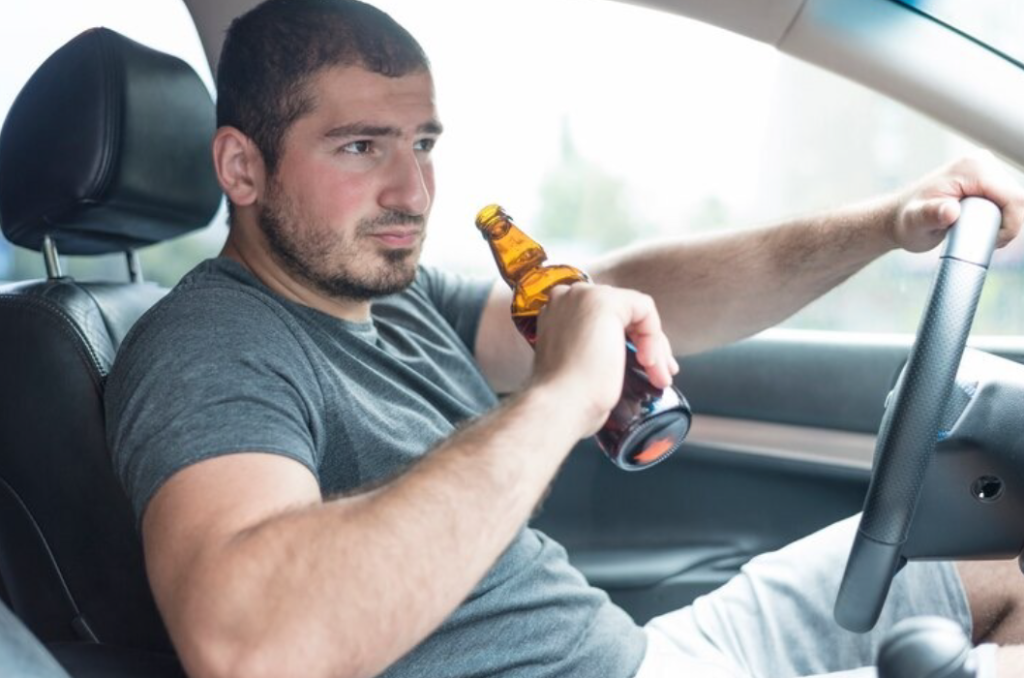
Most people who get caught for drunk driving never expected the night to end that way.
For many, it starts very casually. A few drinks after work, dinner with friends, a celebration or a night out that simply went on longer than expected. Quite often, the person genuinely believes they are still “okay to drive.”
That is usually where the trouble begins.
One of the biggest misconceptions about drunk driving in Singapore is that people think they need to be visibly intoxicated before they can get into serious legal trouble. In reality, the law takes a very strict approach towards drink-driving because of the dangers it creates on the road. Even drivers who do not appear heavily drunk can still be over the legal alcohol limit and once that happens, the consequences can become very serious very quickly.
Here are some important things people should understand about drunk-driving offences in Singapore.
1. A First-Time Drunk Driving Offence Does Not Always Mean Jail
One thing many people immediately panic about after getting arrested for drunk driving is whether they are definitely going to prison.
For first-time offenders, the answer is not always. In situations where it is a first offence and no accident occurred, imprisonment is often not imposed. The court may instead impose fines, driving disqualification or other penalties depending on the circumstances.
However, that does not mean the situation is treated lightly. Even for first-time offenders, the court still views drunk driving as a serious matter because of the potential danger created. A person may still face substantial fines, licence disqualification and a criminal record depending on the outcome of the case.
The severity of the punishment usually depends on several factors including the driver’s blood alcohol level, how dangerous the driving behaviour was and whether there were aggravating circumstances involved.
2. Repeat Drunk Driving Offences Are Treated Much More Harshly
The situation changes very significantly once someone becomes a repeat offender.
For second-time drunk driving offences, imprisonment becomes a very real possibility regardless of whether an accident happened or not. This is because the court generally takes the view that a person who repeats the same offence despite already being punished previously has shown a continued disregard for road safety and the law.
Repeat offenders often face much harsher penalties overall including longer disqualification periods, heavier fines and custodial sentences. In many cases, the court’s focus shifts from giving the offender a chance to learn from their mistake towards stronger deterrence and public safety concerns.
3. Injuries and Property Damage Can Make the Situation Far More Serious
One of the biggest factors affecting drunk-driving cases is whether anyone was injured or whether property damage occurred.
A drunk-driving offence without an accident is already serious. But once injuries are involved, the legal consequences can escalate very quickly. If another driver, pedestrian, cyclist or passenger suffers injuries because of the incident, the court is likely to treat the matter much more severely.
Cases involving grievous hurt or fatalities naturally attract even harsher punishments because the harm caused becomes much more significant. Property damage can also affect how the case is viewed. Damaging vehicles, public property or surrounding infrastructure while driving under the influence may increase the overall seriousness of the offence.
In traffic sentencing, courts usually look closely at two things: the level of harm caused and the offender’s culpability.
Once alcohol, injuries and dangerous driving behaviour combine together, the case often becomes substantially more serious from a sentencing perspective.
4. Blood Alcohol Concentration (BAC) Matters More Than People Think
A lot of people assume they can “roughly estimate” whether they are still safe to drive after drinking.
Unfortunately, it is not always that simple. In Singapore, the legal Blood Alcohol Concentration (BAC) limit for drivers is 0.08%. But even before someone reaches that level, alcohol can already begin affecting judgment, reaction time and coordination.
One difficult reality is that alcohol affects different people differently. Body weight, food intake, metabolism and the type of alcohol consumed can all influence BAC levels.
This is why someone who “doesn’t feel drunk” may still end up over the legal limit. Generally speaking, the higher the BAC level, the more seriously the offence is likely to be viewed. Extremely high BAC readings may suggest greater impairment and therefore increase the overall culpability involved. Commercial drivers are treated even more strictly because of the greater risks associated with larger vehicles and passenger safety.
A Final Thought
One bad decision after drinking can very quickly turn into a criminal matter with long-term consequences.
For first-time offenders, the situation may sometimes be manageable if no accident occurred. But repeat offences, injuries, property damage or high BAC levels can push a case into much more serious territory very quickly.
Every drunk-driving case ultimately depends on its own facts and circumstances.
If you are facing investigations or charges relating to drunk driving, seeking proper legal advice early can help you better understand the seriousness of the situation, the risks involved and what options may realistically be available moving forward.
FAQs
Can someone still be charged for drunk driving even if they were driving carefully?
Yes, they can.
Many people assume that drunk driving only becomes an offence if the driver was swerving, speeding or driving dangerously. In reality, a person can still be charged if they are found to be above the legal alcohol limit, even if no accident occurred and the driving itself appeared normal.
The offence is based largely on driving while impaired or above the permitted alcohol level, not only on whether dangerous driving behaviour was visible.
Does drinking coffee, eating food or waiting for a while quickly reduce alcohol levels?
Not necessarily.
A lot of people believe they can “sober up” quickly by drinking coffee, eating or resting for a short period before driving. While these things may help someone feel more alert temporarily, they do not rapidly remove alcohol from the bloodstream.
Alcohol leaves the body gradually over time and someone may still remain over the legal limit even if they no longer feel intoxicated.
Can someone refuse a breathalyser or alcohol test in Singapore?
Refusing to cooperate with lawful alcohol testing can itself create serious legal consequences.
Many people panic during roadblocks or investigations and think refusing the test may somehow avoid the situation. In reality, refusal may lead to additional legal complications and may be viewed very negatively by the authorities.
Can a drunk-driving offence affect travel or overseas opportunities?
Potentially, yes.
Depending on the seriousness of the offence and the laws of other countries, criminal convictions related to drunk driving may sometimes affect visa applications, overseas employment opportunities or immigration matters.
This is particularly important for individuals whose careers involve international travel or professional licensing overseas.
Why do some people get caught the morning after drinking?
This happens more often than many realise.
Some individuals assume they are fully sober after sleeping for a few hours but alcohol can remain in the body much longer depending on how much was consumed, body metabolism and the timing of the drinking.
A person may therefore still exceed the legal alcohol limit the next morning even if they no longer feel drunk.
Can passengers get into trouble for allowing a drunk person to drive?
Generally, the primary legal responsibility falls on the driver. However, passengers may still face difficult moral or practical consequences if they knowingly allowed an obviously intoxicated person to drive and an accident later occurred.
In real-life situations, many passengers later regret not stopping the driver earlier before the situation escalated.
Can drunk-driving cases become more serious even if no one was injured?
Yes.
Even without injuries, certain aggravating factors may still make the case more severe. Extremely high BAC levels, dangerous driving behaviour, attempting to flee, refusing to cooperate or repeat offending can all increase the seriousness of the case substantially.
Do people usually underestimate how much alcohol affects driving?
Very often, yes.
One of the biggest dangers of alcohol is that it affects judgment itself. Many people genuinely believe they are “still fine to drive” when their reaction time, awareness and decision-making are already impaired.
This false sense of confidence is one reason drunk-driving cases continue to happen despite strict laws and public awareness campaigns.
Can a drunk-driving charge affect employment in Singapore?
It potentially can, especially for people whose jobs involve driving, professional licences or positions requiring a high level of trust and responsibility.
Some employers may also view criminal convictions seriously depending on the nature of the role involved.
What is one of the biggest mistakes people make after being caught for drunk driving?
One common mistake is underestimating the seriousness of the situation.
Some people assume that because no accident happened, the matter is minor or will simply result in a small fine. Others delay seeking advice because they believe there is nothing they can do once they have failed the alcohol test.
In reality, the outcome often depends heavily on the specific facts of the case, including whether there were aggravating factors, the BAC level involved and the driver’s conduct after the incident.