Most people don’t think about legal processes until they’re suddenly part of one.
One day things are normal and the next you hear that someone has filed a police report against you for assault. For many, that moment comes with a mix of confusion, fear and a lot of unanswered questions:
- What does this actually mean?
- Are you going to be arrested?
- Is your life about to change overnight?
The reality is usually less dramatic but still serious enough to understand properly.
Let’s walk through what actually happens step by step, in a way that makes sense without the usage of the legal jargons.
It Starts With a Report, not a Conclusion
When someone files a police report in Singapore, it doesn’t mean the authorities have already decided anything about you. It simply means an allegation has been made and the police now have a reason to look into it.
That distinction matters more than people realise.
At this point, the police are trying to understand what happened, not assign blame. They’ll usually begin by speaking to the person who made the report, gathering details about the incident and checking if there’s any immediate evidence such as injuries, photos or witnesses.
If the situation seems minor or unclear, things may not go very far. But if there’s enough to suggest that something did happen then the case moves into the investigation stage.
When You Get That Call
For many people, the first direct interaction with the case is a phone call from the police.
You may be asked to come down to the station to give a statement. This is often where anxiety spikes. It feels official, serious and unfamiliar. Some people immediately assume the worst which implies that they’re about to be charged or detained.
In most cases, that’s not what’s happening.
Being asked to give a statement simply means the police want to hear your side of the story. They’ve heard one version and now they need the other version to testify the truth behind the case.
Still, how you handle this step matters.
It’s easy to talk too much when you’re nervous. People sometimes try to fill in gaps, guess timelines or over-explain small details just to sound cooperative. Ironically, that can create inconsistencies that complicate things later.
A better approach is simple, stick to what you clearly remember and don’t try to “fix” the story as you go along.
The Role of Evidence in Assault Cases
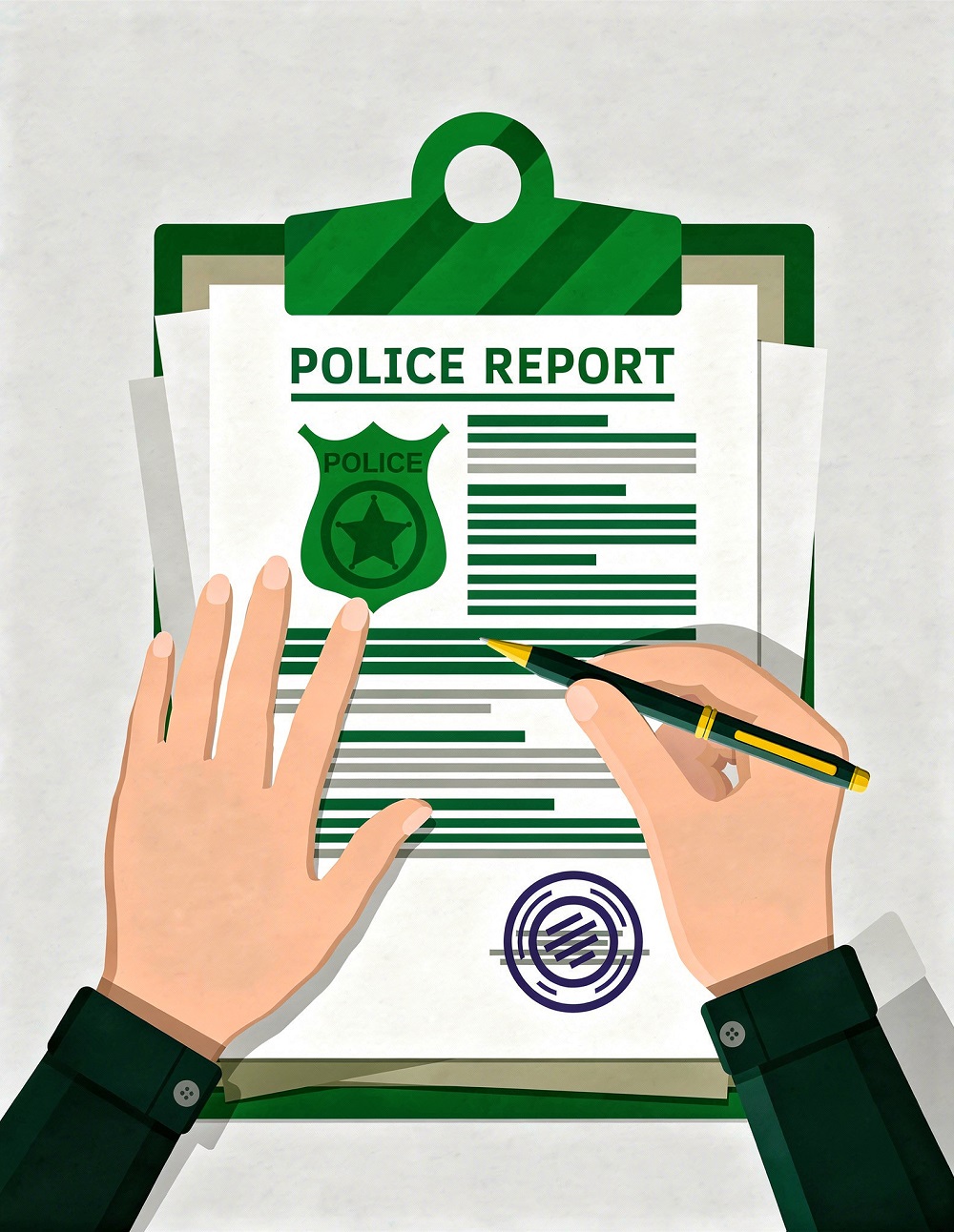
One of the biggest misconceptions people have about assault cases is that they are decided purely based on who tells the more convincing story. In reality, that is rarely how these cases are assessed.
In Singapore, evidence plays a major role in determining not only whether an offence can be proven but also how serious the alleged assault is treated from the very beginning.
Among all forms of evidence, medical reports are often one of the most important factors.
Why Medical Reports Matter So Much
When a person claims to have been assaulted, the medical report becomes one of the clearest ways to document the injuries that were allegedly caused.
The report may include:
- The type of injury sustained
- Where the injuries are located
- Whether there is swelling, bruising, cuts or fractures
- How serious the injuries appear medically.
This matters because the severity of the injury often affects how the case is classified and what type of allegations may follow.
For example, a case involving minor bruising may be treated very differently from a case involving serious physical injury. The medical findings help the authorities assess whether the alleged force used was minor, moderate or severe.
On the other hand, if the alleged victim did not seek medical attention, or if the medical report does not support the injuries being claimed, proving serious harm becomes significantly more difficult.
That does not automatically mean the incident did not happen. However, without medical documentation, it may be harder to establish the extent of the alleged injuries clearly and objectively.
This is why medical reports are often central to how assault cases are handled in practice.
CCTV Footage Can Completely Change a Case
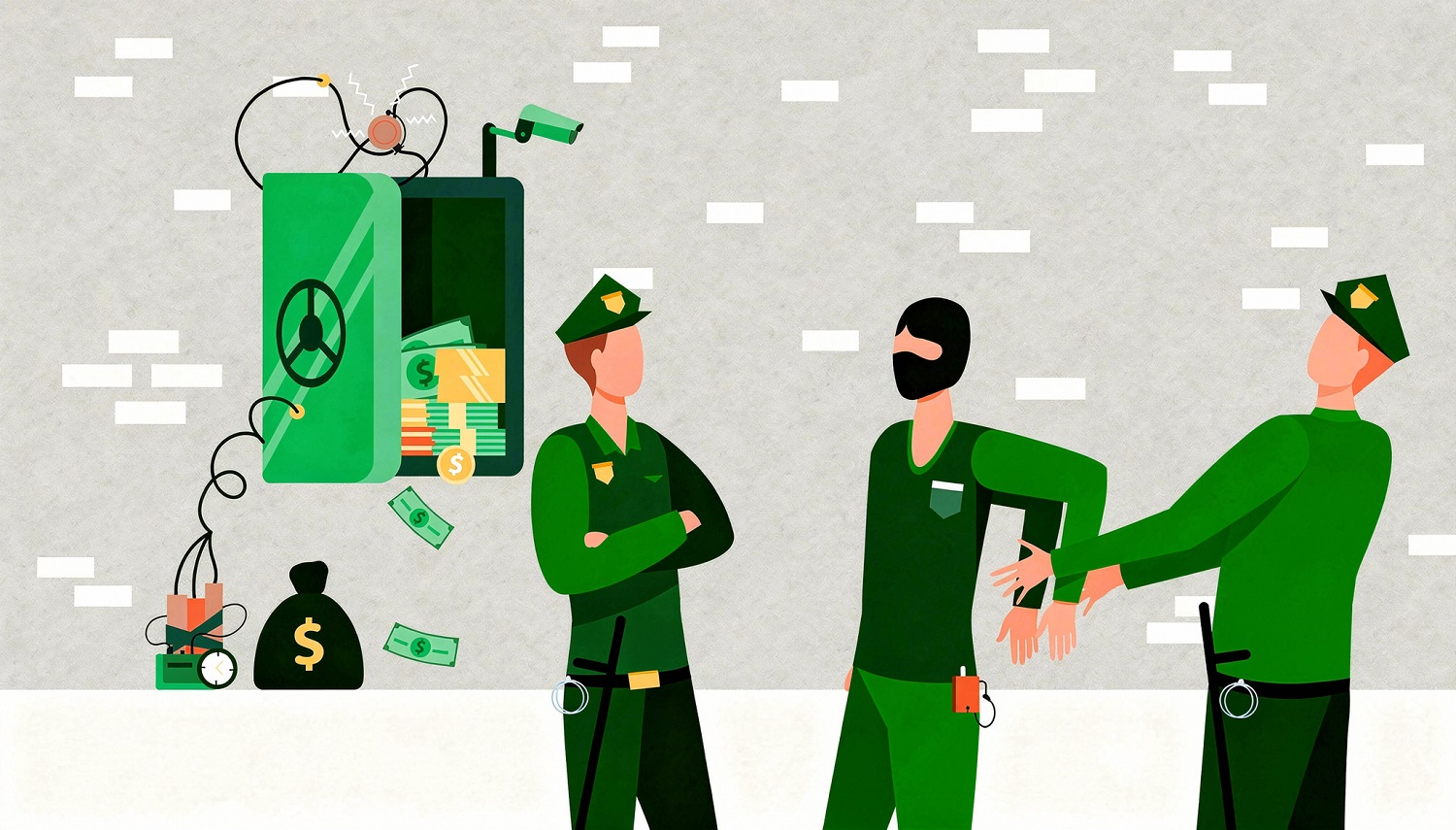
Another major form of evidence is CCTV footage.
In many situations, especially in public places such as shopping centres, lifts, restaurants, offices or residential common areas, surveillance cameras may capture part or sometimes all of the incident. What makes CCTV particularly important is that it provides a visual account that does not rely purely on memory or personal interpretation.
In some cases, footage may:
- Support one person’s version of events
- Show whether physical contact actually occurred
- Reveal who initiated the confrontation
- Provide context that was missing from the verbal statement.
Interestingly, CCTV footage does not always show a full incident perfectly. Sometimes there is no audio, limited camera angles or partial visibility. But even incomplete footage can still become an important piece of the overall picture.
There are also situations where CCTV changes how an incident is understood entirely. A confrontation that sounded extremely serious in a statement may appear less severe on video or vice versa. This is why investigators place significant weight on any available surveillance footage.
The Importance of Eye Witness Testimony
Witnesses can also play a key role, particularly in situations where there is little physical evidence available.
An eye witness may help confirm:
- Whether there was shouting or aggression before the incident
- How the physical altercation started
- Whether there was provocation
- Whether someone appeared injured afterwards
However, witness testimony is not always straightforward.
People experience stressful situations differently. Two witnesses observing the same incident may remember different details, focus on different moments or interpret behaviour differently.
Because of this, investigators do not usually rely on witness testimony alone. Instead, witness accounts are often compared against other evidence such as medical findings and CCTV footage.
When multiple pieces of evidence support each other, the overall case tends to become much stronger.
Why These Three Forms of Evidence Matter Together
In most assault cases, medical reports, CCTV footage and witness testimony form the foundation of the investigation.
Each serves a different purpose:
- medical reports help establish the nature and seriousness of injuries,
- CCTV footage provides visual context,
- and witnesses help explain what happened before, during, and after the incident.
One piece of evidence alone is not always enough to tell the full story. But when these forms of evidence align, they help investigators build a clearer and more reliable understanding of what actually happened.
That is why evidence is not just a technical part of an assault case but it often determines how the case progresses, how serious the allegations become and whether the claims can ultimately be supported.
What Happens After the Investigation?
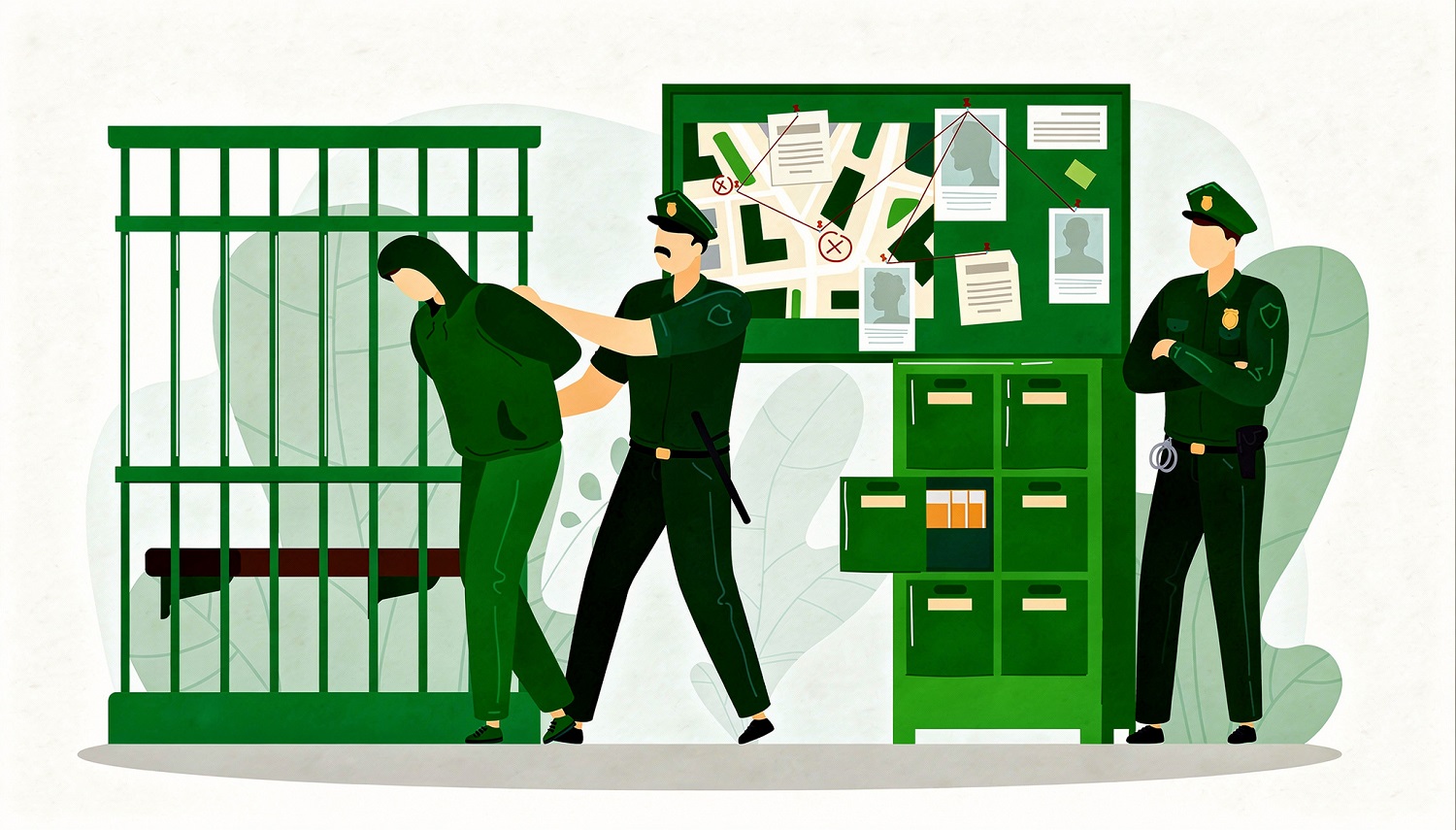
A lot of people assume that once the police finish investigating, the case immediately goes to court. But that’s usually not how the process works.
Once the police have completed their investigations, the case is generally handed over to the Attorney-General’s Chambers (AGC). This is the stage where the authorities take a closer look at everything that has been gathered during the investigation process.
That includes:
- statements from the people involved,
- medical reports,
- CCTV footage,
- witness accounts,
- and any other available evidence connected to the incident.
At this point, the AGC will assess whether there is enough evidence to establish that an offence was committed and whether the matter is serious enough to proceed with criminal charges. This is an important distinction that many people do not realise.
Just because a police report was filed or even because someone was arrested or investigated that does not automatically mean the person will eventually be charged in court. The authorities still need to determine whether the legal threshold has actually been crossed.
In some situations, the evidence may simply not be strong enough. There may be inconsistencies in witness accounts, unclear CCTV footage, insufficient medical evidence or gaps in the overall version of events. In other cases, the incident itself may be viewed as less serious than initially alleged.
When that happens, the AGC may decide not to proceed with charges at all. In other situations, the authorities may decide that some form of action is still appropriate but under a less serious charge than what was originally being investigated.
This stage of the process is often more significant than people expect because many decisions are made before a case even reaches open court. One thing that is not commonly understood is that representations can sometimes be made to the AGC before charges are finalised.
These representations are formal written submissions that highlight important aspects of the case, for example:
- weaknesses in the evidence,
- inconsistencies in witness accounts,
- legal issues affecting the allegations,
- or circumstances that may justify dealing with the matter less severely.
In some cases, effective representations can result in the matter being dealt with differently altogether.
There are situations where cases have been discontinued before reaching court because the evidence did not ultimately support the allegations strongly enough. In other cases, the original allegations may be reduced to less serious charges after the authorities review the overall circumstances more carefully. Of course, every case depends heavily on its own facts. There is no guaranteed outcome and much depends on the available evidence and the seriousness of the incident itself.
But what this stage really shows is that the investigation process is not simply about collecting information but it is also about evaluating whether the evidence genuinely supports criminal prosecution and that evaluation does not happen instantly.
For many people involved in assault-related matters, this waiting period after investigations can feel extremely stressful because there is often uncertainty about what will happen next. Some expect immediate charges while others assume the matter is already over once the police interviews end.
In reality, the case may still be under careful review behind the scenes.
Final Takeaway
The end of a police investigation does not automatically mean a person will be charged in court. Before any prosecution begins, the Attorney-General’s Chambers will assess both the seriousness of the incident and whether the available evidence is strong enough to support criminal charges.
Medical reports, CCTV footage, witness statements and the overall consistency of the evidence can all play a major role at this stage. This is also the point where legal representations may sometimes influence how the matter is ultimately dealt with including whether charges proceed at all or whether the allegations are reduced.
For anyone involved in an assault investigation, understanding what happens after investigations conclude is important because some of the most significant decisions in a criminal case are often made before the matter ever reaches court.
If you are currently dealing with an assault-related investigation or uncertain about what stage your matter is at, speaking with a criminal lawyer in Singapore can help you understand your position clearly and seek proper guidance before making assumptions about what happens next.
FAQs
Can someone make a false assault report against me in Singapore?
Yes, it is possible for someone to make allegations that are exaggerated, incomplete or untrue. However, a police report alone does not automatically prove guilt. This is why investigations usually involve reviewing evidence such as medical reports, CCTV footage, witness accounts and statements from both sides before any decision is made.
Should I be worried if the police suddenly contact me about an assault complaint?
It’s natural to feel anxious but being contacted by the police does not automatically mean you will be charged. In many situations, the police simply want to understand your version of events and gather information before deciding what happens next.
Can assault cases in Singapore be settled privately?
Some people assume that apologising or resolving matters privately will automatically end the issue. In reality, once a police report has been made, the authorities may still continue investigating depending on the seriousness of the allegation and the available evidence.
What if the CCTV footage does not show the full incident?
This happens more often than people think. CCTV footage may only capture part of the confrontation or miss certain angles entirely. In such cases, investigators usually compare the footage together with witness accounts, medical findings and statements from the people involved before drawing conclusions.
Will the police believe the other person automatically if they have injuries?
Not necessarily. Injuries are important evidence, but investigators still look at the overall context of the incident. They may examine how the injuries were caused, whether there was provocation, whether self-defence is being claimed and whether the evidence from witnesses or CCTV footage supports the allegations.
What happens if both sides give completely different stories?
This is actually very common in assault investigations. When accounts conflict, the authorities usually rely more heavily on objective evidence such as medical reports, CCTV footage, phone records or independent witness testimony to piece together what most likely happened.
Can old text messages or past arguments become part of the investigation?
Yes, they can sometimes become relevant. Messages exchanged before or after an incident may help investigators understand the background of the dispute, whether tensions existed beforehand or whether there may have been provocation or threats leading up to the incident.
How long does it usually take for the AGC to decide whether someone will be charged?
There is no fixed timeline. Some decisions are made relatively quickly while others may take longer depending on the complexity of the evidence, the seriousness of the allegations and whether further investigations are needed.
If the injuries are minor, can the case still become serious?
Yes, in certain situations. While the severity of injuries often affects how the case is viewed, the authorities may also consider factors such as how the incident started, whether weapons were involved, whether the act appeared intentional and whether there was repeated aggression.
What if there were no witnesses during the incident?
A lack of witnesses does not automatically mean the case ends there. Investigators may still look at medical evidence, surrounding circumstances, CCTV footage nearby, digital evidence and the consistency of statements from the people involved.
Can a case still go to court even if the evidence is weak?
It depends on the overall assessment by the Attorney-General’s Chambers. If there are major inconsistencies or insufficient evidence, the matter may not proceed. However, every case is assessed individually based on the totality of the available evidence.
What is the biggest mistake people make after a police report is filed against them?
One of the most common mistakes is reacting emotionally and contacting the other party repeatedly, trying to “fix” the situation impulsively or giving rushed explanations without thinking carefully. In stressful situations, people sometimes create additional complications without realising it.