
Most drivers don’t set out to break the law behind the wheel. A moment of impatience at a junction, a lane change made without checking properly or pushing the speed limit because you’re running late then these things happen. But under Singapore law when driving behaviour crosses a certain threshold, it stops being an ordinary traffic infringement and becomes a criminal offence with consequences that can follow a person for years. This article looks at what reckless driving actually means under Singapore law, how the courts assess it and what penalties someone convicted of this offence can expect to face.
The Legal Definition of Reckless or Dangerous Driving
The offence is set out under Section 64(1) of the Road Traffic Act 1961. In essence, it applies to any person who drives a motor vehicle on a road recklessly or at a speed or in a manner that is dangerous to the public, having regard to all the circumstances of the case. Those circumstances include the nature and condition of the road, how the road is typically used and the amount of traffic actually present or reasonably expected to be present at the time.
What stands out about this provision is how broad and context-dependent it is. The law doesn’t hinge purely on a specific speed threshold. Instead, it asks the court to look at the full picture like was the road narrow or wide, was it a school zone, was it raining, was there heavy pedestrian traffic, was visibility poor. A speed that might be entirely safe on an empty highway at 3 am could easily be considered dangerous on a congested residential road during the evening rush.
Common examples that tend to attract this charge include excessive speeding, weaving aggressively between lanes, beating red lights, tailgating at high speed, overtaking in a way that leaves no margin for error and driving in a manner that shows a clear disregard for other road users. It’s worth noting that reckless or dangerous driving is also an arrestable offence under Section 64(5) of the Act which means police officers can arrest a driver without needing a warrant.
Reckless Driving Versus Careless Driving
Singapore law actually draws a distinction between two related but separate offences. Reckless or dangerous driving under Section 64 is treated as the more serious of the two, while driving without due care and attention or reasonable consideration for other road users falls under Section 65 and is generally treated as the lesser offence, often referred to informally as careless driving.
The distinguishing factor tends to come down to the degree of risk and disregard shown by the driver. Careless driving might involve a momentary lapse in attention or a failure to exercise sufficient caution given the road conditions. Reckless or dangerous driving, by contrast, typically involves conduct where the driver either knew or clearly should have known that they were not driving safely especially where the road situation called for extra caution and they failed to provide it.
How the Penalties Are Structured
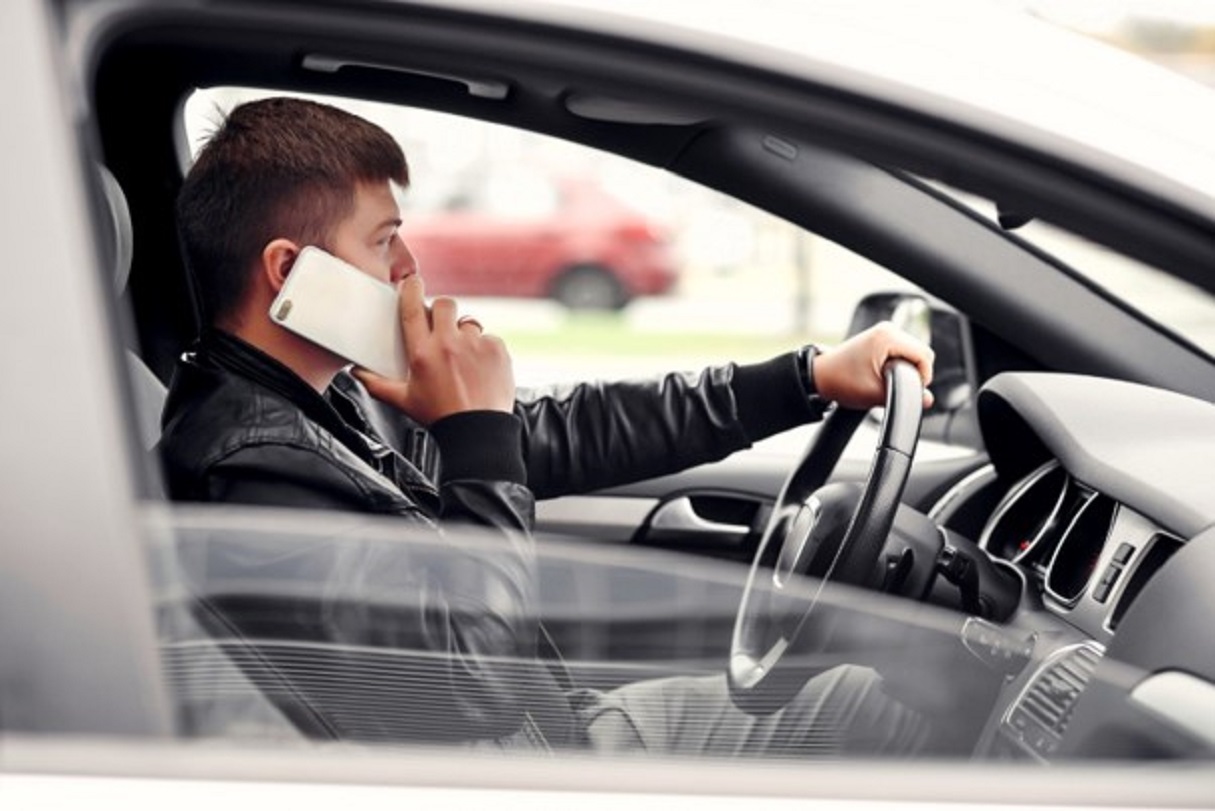
The penalty framework for reckless or dangerous driving isn’t a single fixed punishment. It’s tiered according to the harm caused and whether the offender is a first-time offender, a repeat offender or what the law categorises as a “serious offender.”
For first-time offenders where no injury results, Section 64(2C) provides for a maximum fine of up to $5,000, imprisonment of up to twelve months or both. Where the offence is committed by a repeat offender, the maximum penalties increase to a fine of up to $10,000, imprisonment of up to two years or both.
Where the offence causes actual hurt to another person, the penalties escalate. A first-time offender in such a case can face a fine of up to $10,000, imprisonment of up to two years or both. Where grievous hurt or death results from the offence, the penalties climb further still reflecting how seriously Singapore’s courts treat driving conduct that causes real harm to others. It’s worth noting that, as of 12 June 2025, the mandatory minimum jail term and disqualification period previously applicable to first-time offenders in cases causing death or grievous hurt were removed, giving courts somewhat greater flexibility in sentencing based on the specific facts of each case.
The Act also defines a category of “serious offender” under Section 64(8) which applies where the person has a prior conviction for driving under the influence of alcohol or drugs or for failing to provide a breath or blood specimen when required. Serious offenders and serious repeat offenders face additional layers of punishment on top of the standard tiers including higher minimum fines and longer potential imprisonment terms.
Licence Disqualification
Beyond fines and imprisonment, one of the consequences that tends to affect people most in day-to-day life is disqualification from holding or obtaining a driving licence. Sections 64(2D) and 64(2E) set out circumstances in which disqualification becomes mandatory unless the court finds special reasons not to impose it. Disqualification periods can range from a couple of years in the most serious cases, a lifetime ban from driving. For many people especially those who rely on driving for work, this consequence can be just as significant as any fine or jail term.
Why Courts Take This Offence Seriously
Singapore’s approach to road safety has always leaned toward strict enforcement and reckless driving cases are no exception. The reasoning is straightforward. Unlike many other offences, dangerous driving puts members of the public at risk who had no involvement in the decision-making that led to the danger. A pedestrian crossing the road, a cyclist sharing the lane or another motorist driving responsibly can all become victims of someone else’s reckless choices. Courts have, in past appeals, revised sentences upward where they found the original penalty too lenient given the need for deterrence, both for the specific offender and for the wider public.
What to Do If You’re Facing a Reckless Driving Charge
If you’ve been charged or are under investigation for reckless or dangerous driving, it’s important not to underestimate how the specific facts of your case will shape the outcome. Whether hurt was caused, the road conditions at the time, your driving record and how you respond to the investigation can all influence sentencing. This is where engaging a criminal lawyer in Singapore early becomes valuable. An experienced lawyer can assess the strength of the evidence against you, advise honestly on the likely range of outcomes and represent your interests whether the goal is contesting the charge or presenting mitigating factors for a more lenient sentence.
Final Takeaway
Reckless driving in Singapore is not treated as a minor traffic matter. It’s a criminal offence under the Road Traffic Act with penalties that scale according to harm caused and the offender’s history, ranging from fines and short imprisonment terms to lengthy custodial sentences and driving disqualification. Given how much these outcomes can vary based on the specific circumstances of a case, getting proper legal guidance early matters. If you’re dealing with a reckless driving charge or simply want to understand where you stand, reach out to our team at Bishop Law, a law firm in Singapore with the experience to guide you through the process and advise you honestly on your options.