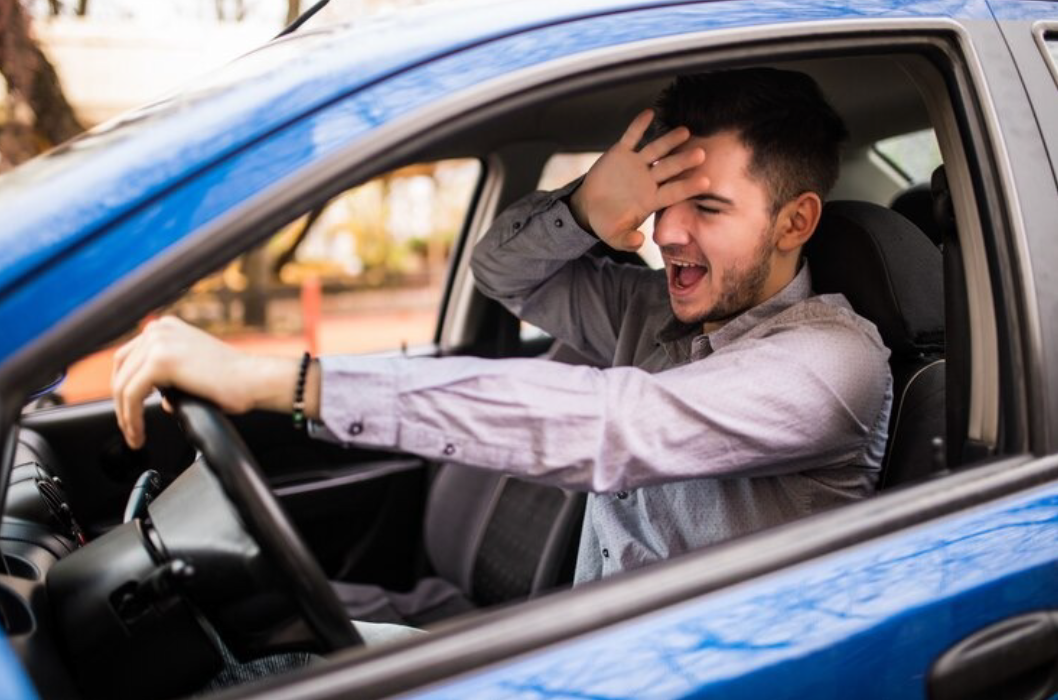
For most people, borrowing a friend’s car feels completely normal. Maybe your own car is unavailable for the day. Maybe your friend offers you theirs because you need to get somewhere urgently. Sometimes it is as casual as someone tossing you the keys and saying, “Just bring it back later.”
Nobody sits down to think about criminal law or insurance policies at that moment and honestly, that is exactly why people get into trouble.
In Singapore, a surprisingly large number of people only realise there was a legal problem after something has already happened, usually an accident, a police stop or an insurance claim gone wrong. What looked like a simple favour between friends suddenly becomes far more serious than anyone expected. The difficult part is that both people can end up facing consequences, the person driving the car and the person who lent it.
The One Question Almost Nobody Asks
Before driving somebody else’s vehicle, there is one question that should always be asked first, “Am I actually covered by the insurance?”
It sounds obvious when you say it out loud, but in real life, most people never check. A lot of drivers assume that if the car itself is insured, then anybody driving it must automatically be covered too. Others think that as long as the owner gives permission, there cannot possibly be a legal issue.
Unfortunately, insurance does not work that way.
Many car insurance policies in Singapore are limited to:
- named drivers
- certain authorised users
- or drivers who meet specific conditions like age or driving experience
So even if your friend willingly hands you the keys, you could still end up driving without valid insurance coverage and that is where the real problem begins.
This Is Not Just an Insurance Issue
Many people think driving without insurance is just an administrative problem, something that results in paperwork or rejected claims. But in Singapore, driving without proper insurance can actually amount to a criminal offence.
That catches people completely off guard. Someone may genuinely believe they are doing nothing wrong because they borrowed the car openly and honestly. But legally, permission alone is not enough if the insurance policy does not cover that particular driver and when an accident happens, that issue becomes impossible to ignore.
Car Owners Often Don’t Realise They Can Get Into Trouble Too
This is another thing many people only learn much later. The responsibility does not fall only on the driver. The owner of the vehicle also has obligations when lending out their car.
If you allow someone to drive your vehicle, you are expected to ensure that:
- they have a valid licence
- they are legally allowed to drive
- and they are properly insured under the policy
In reality, most people never check carefully.
Friends trust each other. Family members assume everything is fine. Sometimes people feel uncomfortable asking direct questions because they do not want to seem rude or suspicious. But once something goes wrong, those missing questions suddenly become very important.
Things Usually Fall Apart After an Accident
Most of these situations only become serious after a crash. That is when insurers start asking questions. Who was driving? Was the driver covered? Did the owner knowingly allow the vehicle to be used? Was the licence valid?
People who never thought about insurance wording before suddenly find themselves dealing with investigations, rejected claims and potentially huge financial exposure and if injuries are involved, the situation can escalate very quickly.
What started as a simple favour between friends can suddenly affect:
- insurance payouts
- compensation claims
- driving records
- and even criminal liability
One Situation Happens More Often Than People Think
A particularly messy situation happens when somebody lends their car to a friend who does not actually have a valid licence. Sometimes the owner genuinely does not know. Other times, they suspect something is wrong but avoid asking too many questions because it feels awkward.
Then the accident happens.
At that point, both people are trapped in a difficult situation.
If they tell the truth that the owner knowingly allowed an unlicensed driver to use the car then the owner may face legal consequences as well but if they try to protect each other by giving a false explanation, things can become even worse.
People sometimes panic and claim the car was taken without permission or they change details to avoid implicating the owner. The problem is that false statements made during investigations can create entirely separate legal issues on top of the original incident.
This is how one bad decision can suddenly snowball into multiple problems at once.
The Problem Is That Everything Feels Informal
What makes these cases so common is how ordinary they seem at the beginning. Nobody borrows a friend’s car expecting legal trouble. There is usually no bad intention involved. Most people are simply trying to help each other out. But the law tends to matter most when things stop going according to plan.
And once police, insurers or investigators become involved, casual understandings between friends do not carry much weight anymore. What matters is whether the legal requirements were actually satisfied in the first place.
“But My Friend Said It Was Fine”
This is probably one of the most common reactions people have after they get into trouble. They genuinely believed they had done the responsible thing because the owner agreed to let them drive the car.
But legally, permission is only part of the picture.
The more important questions are:
- whether the insurance covered the arrangement,
- whether the driver held a valid licence,
- and whether both parties properly understood the risks before handing over the keys.
Those are the issues that usually determine what happens afterward.
A Five-Minute Check Can Prevent a Massive Problem Later
The frustrating thing about many of these situations is that they are often preventable.
Before lending out a vehicle, it is worth taking a few minutes to confirm:
- who exactly is covered under the insurance policy
- whether the licence is valid
- and whether the arrangement complies with the policy conditions
It may feel unnecessary at the time especially between close friends, but it is a much easier conversation to have before an accident than after one. Because once something goes wrong, people usually realise very quickly that assumptions are not the same thing as legal protection.
What Happens If You Are Caught Driving Without a Licence?
One thing many people do not realise is that Singapore courts already have a fairly clear sentencing framework for unlicensed driving offences.
A particularly important case is Seah Ming Yang Daryle v Public Prosecutor [2024] SGHC 152, where the High Court set out guidance on how these offences should generally be treated by the courts.
In that case, the High Court explained at paragraph 75 that the benchmark sentence for a typical offence under section 35(1) of the Road Traffic Act would usually be:
“two weeks’ imprisonment” for a first-time offender who:
- was driving without a valid licence,
- pleads guilty,
- and did not cause an accident.
This is important because many people still wrongly assume that driving without a licence is “just a fine” or a minor traffic issue. In reality, even first-time offenders can face imprisonment depending on the circumstances.
But the two-week benchmark is only the starting point.
The sentence can become significantly more serious if aggravating factors are present and unfortunately, many real-life cases involve exactly those kinds of factors.
What Makes Unlicensed Driving Cases More Serious?
The High Court in Daryle also provided a fairly detailed list of circumstances that can increase the seriousness of a case and push the sentence above the standard benchmark.
One major factor is why the person was driving in the first place.
For example, if someone drove in order to commit another offence such as drug delivery, smuggling, or other criminal activity, the courts are likely to treat the situation much more severely.
On the other hand, genuine emergencies may sometimes be viewed differently depending on the exact facts. If someone drove because of an urgent medical situation or another exceptional circumstance, the courts may consider that context when deciding a sentence.
The manner of driving also matters a great deal.
If the driver was:
- speeding,
- ignoring traffic rules,
- running red lights,
- or driving recklessly,
the sentence can increase significantly because the risk to public safety becomes much higher.
Naturally, accidents are another major factor. Where an unlicensed driver causes a collision, the courts will usually look carefully at:
- The extent of property damage
- Whether anyone was injured
- How serious the injuries were
- Whether the driver directly caused the accident
Even cases involving relatively minor collisions can become much more serious once injuries enter the picture.
Another issue many people overlook is the presence of passengers inside the vehicle. If there were other occupants in the car, the courts may view the offence more seriously because additional people were exposed to danger. This is especially relevant where friends or family members knowingly travelled with someone who was not legally allowed to drive.
The driver’s conduct after the offence also matters. For example, situations involving:
- attempts to flee,
- avoiding police,
- lying during investigations,
- or trying to hide involvement,
can significantly worsen the case and perhaps most importantly prior driving offences can heavily affect sentencing.
If someone already has a history of:
- traffic offences,
- unlicensed driving,
- dangerous driving,
- or other road-related convictions,
the courts are far more likely to impose harsher punishment because deterrence becomes a much bigger concern. Even additional charges being taken into consideration during sentencing can push the sentence upwards.
Why This Matters So Much in “Borrowed Car” Situations
This is exactly why borrowing a friend’s car becomes legally dangerous when licence or insurance issues are unclear.
Many people think:
“It’s only a short drive.”
“It’s just around the corner.”
“Nothing will happen.”
But once an accident occurs or police become involved, initially felt like an informal favour can suddenly fall into a sentencing framework that courts already treat seriously.
And unfortunately, these situations often become worse because people panic afterward. Some try to hide the fact that the owner knowingly allowed the driving. Others change details, give inconsistent explanations, or attempt to protect each other during investigations. Those decisions can sometimes create even bigger legal problems later on.
Final Thoughts
Borrowing a friend’s car may feel casual but the legal consequences can become very serious if insurance or licensing issues are overlooked.
What catches most people by surprise is how quickly a simple favour can turn into a criminal investigation, an insurance dispute or a financially devastating situation after an accident happens. And unfortunately, by the time those problems appear, the opportunity to fix them beforehand is already gone.
That is why both drivers and vehicle owners should always pause before handing over the keys. A simple insurance check or licence confirmation may seem minor at the moment but it can prevent enormous legal trouble later on.
Need Legal Advice for Driving or Insurance-Related Offences in Singapore?
If you are facing investigations involving uninsured driving, lending a vehicle unlawfully or issues relating to licence validity in Singapore, it is important to understand your legal position early.
Getting proper legal advice at the start may help you avoid making mistakes that could complicate the situation even further.
FAQs
Can I really go to jail for driving without a valid licence in Singapore?
Yes. Many people assume unlicensed driving is treated like a minor traffic offence but Singapore courts can impose imprisonment even for first-time offenders depending on the circumstances. The risk becomes much higher if aggravating factors are involved such as accidents, reckless driving or attempts to avoid the police.
What happens if I did not know my licence had expired?
People often think an expired licence is “just paperwork” but legally, driving without a valid licence can still amount to an offence regardless of whether the lapse was intentional. The exact consequences usually depend on the surrounding facts and how long the licence had been invalid.
Can the owner of the car also be charged if they let an unlicensed person drive?
Yes. In Singapore, vehicle owners can face legal consequences if they knowingly allow someone without a valid licence to use the vehicle. Many people only realise this after police investigations begin following an accident or traffic stop.
Is driving without insurance treated seriously in Singapore?
Very much so. Driving without valid insurance is not viewed as a small administrative mistake. Singapore law treats uninsured driving seriously because it exposes other road users to significant risk if accidents occur.
Will I automatically be arrested if police discover I was driving without a licence?
Not necessarily in every case, but police may investigate, record statements, and take enforcement action depending on the seriousness of the situation. Factors such as accidents, prior offences, dangerous driving or attempts to evade responsibility can heavily influence how the case is handled.
Can I still be charged even if I only drove a very short distance?
Yes. The distance driven usually does not determine whether an offence occurred. Many people wrongly assume that driving “just around the corner” somehow makes the situation legally insignificant but the law generally focuses on whether the person was legally entitled and insured to drive at all.
What if my friend pressured me to drive even though I had no licence?
Pressure from friends may explain how the situation happened but it does not automatically remove criminal liability. Police and courts will usually still examine whether the driver knowingly chose to operate the vehicle despite lacking a valid licence.
Can someone get into more trouble for lying to the police after an accident?
Yes. This is one of the biggest mistakes people make out of panic. After accidents involving unlicensed or uninsured drivers, some people try to change the story or hide who actually gave permission to use the vehicle. False statements during investigations can create additional criminal problems beyond the original offence itself.
Does having passengers inside the car make the offence more serious?
It potentially can. Singapore courts may view the situation more seriously if passengers were placed at risk by an unlicensed or uninsured driver especially where dangerous driving or accidents were involved.
Can driving without a licence affect future driving privileges in Singapore?
Yes. Depending on the outcome of the case, the court may impose driving disqualification periods or other restrictions affecting future driving rights.
What if I borrowed the car during an emergency?
Emergency situations can sometimes become relevant during sentencing but they do not automatically make the offence disappear. Courts will usually look carefully at the exact circumstances, including whether there were safer or lawful alternatives available.
Can first-time offenders still receive imprisonment for unlicensed driving?
Yes. Many people wrongly assume jail only applies to repeat offenders. In reality, Singapore courts have made it clear that imprisonment can still arise even for first-time offenders depending on the seriousness of the case and the surrounding circumstances.
Does reckless driving make unlicensed driving cases much worse?
Absolutely. Courts generally treat situations involving speeding, running red lights, dangerous manoeuvres or reckless conduct far more seriously because the public safety risk becomes much greater.
What if I genuinely believed I was legally allowed to drive?
A genuine misunderstanding may sometimes help explain the circumstances but it does not automatically prevent prosecution. Investigators will still examine whether the driver had valid legal authority to operate the vehicle at the time.
Why do these cases often become more serious after accidents happen?
Once accidents occur, police investigations become much more detailed. Questions about licensing, insurance, permission to use the vehicle, dangerous driving and post-accident conduct all suddenly become legally important. What initially felt like a casual favour between friends can escalate into multiple criminal issues very quickly.